Millennials, also known as Generation Y, represent a significant demographic cohort born roughly between the early 1980s and the late 1990s. Unlike previous generations, millennials came of age during a period of rapid technological advancement and profound social change. This formative backdrop has deeply shaped their values, motivations, and spending habits, particularly when it comes to entertainment and leisure activities, including gambling. To effectively connect with millennials, casinos must move beyond traditional strategies and embrace a deeper understanding of what truly drives this generation.
Millennials are far more likely to prioritize experiences over material possessions. They crave authenticity, seeking genuine connections and transparent interactions. Social connection is also paramount; millennials value shared experiences and the opportunity to connect with others, both online and offline. These core values greatly influence their preferences in gambling and entertainment.
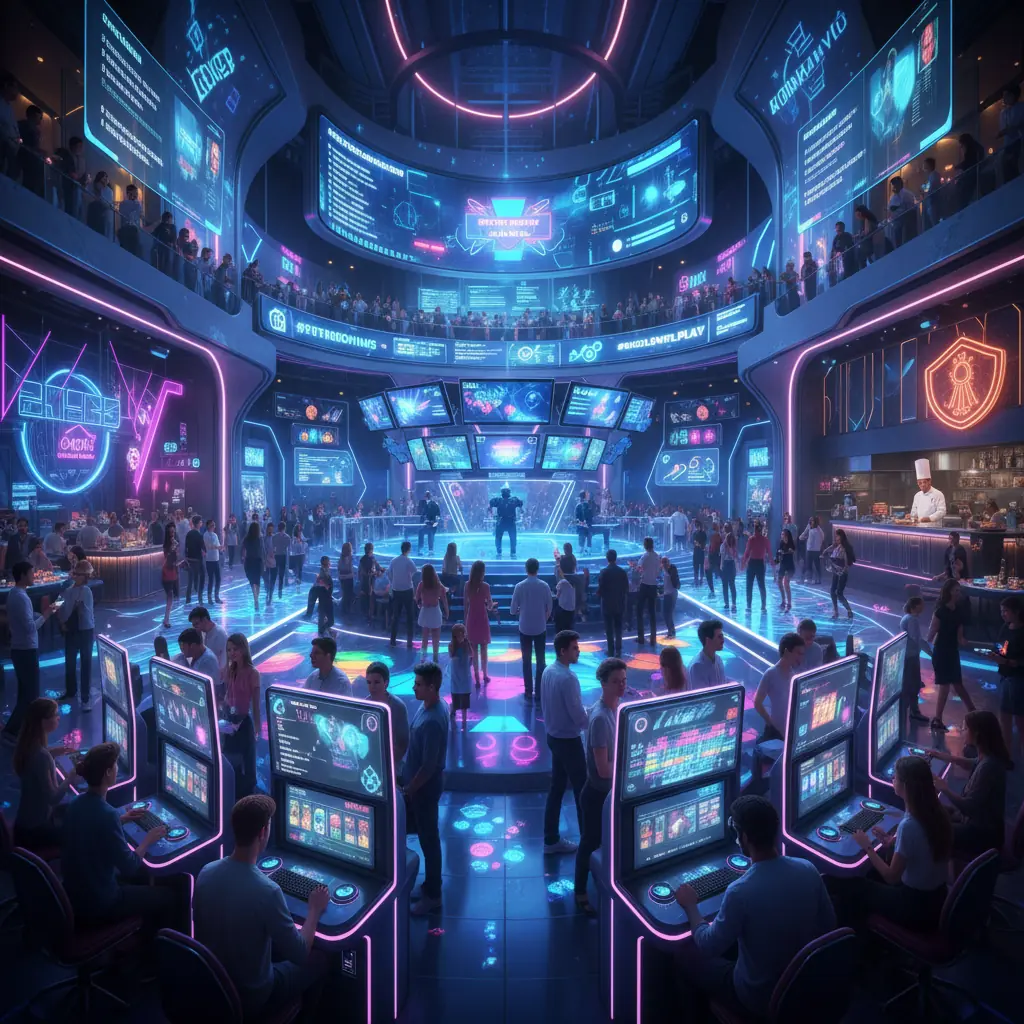
Casinos need to understand that millennials often view gambling as a form of entertainment, rather than a primary source of income. They seek casinos that offer a holistic experience, including live music, gourmet dining, interactive games, and vibrant social atmospheres. Traditional casino environments may not resonate with millennials who seek thrilling and unique experiences.
Furthermore, millennials are heavily influenced by social media trends. A positive online review or recommendation from an influencer can significantly impact their choices. Casinos that actively engage with social media, encourage user-generated content, and manage their online reputation effectively are better positioned to attract millennial customers.
Experiences Over Possessions
The concept of “experiential consumption” has gained significant traction with millennials. They are more inclined to spend their money on creating memories and acquiring skills than accumulating material goods. For instance, millennials might prioritize attending a music festival, traveling to an exotic location, or learning a new skill over purchasing luxury items. These experiences often provide shareable moments and contribute to their personal growth.
Casinos can tap into this desire for experiences by creating themed events, offering interactive gaming experiences, and partnering with local attractions to provide unique packages. A casino can evolve into an entertainment hub that goes beyond traditional gambling.
The Power of Social Influence
Social media plays a pivotal role in shaping millennial decisions. They actively seek advice and recommendations from online sources, including influencers, user reviews, and online communities. A positive review can propel a casino into the millennial spotlight, while negative feedback can inflict considerable damage. Word-of-mouth marketing has evolved into digital word-of-mouth, highlighting the importance of managing online reputation.
Casinos that foster a strong social media presence, encourage user-generated content, and engage with their online community are more likely to influence millennial choices. By leveraging digital marketing and collaborating with relevant influencers, casinos can effectively reach and attract this valuable demographic.
Shifting Away from Traditional Gaming
The world of casino gaming is undergoing a seismic shift. Traditional casino games like slot machines and classic table games that once reigned supreme are experiencing a decline in popularity, particularly among the millennial generation. This isn’t simply a matter of changing tastes; it’s a fundamental shift in what players seek from their gaming experiences. Millennials, who grew up with video games are always online, are looking for more than just the random chance offered by traditional games. They crave engagement, skill, and novelty – elements often missing from the older casino models.
Casinos, in order to remain relevant, are forced to explore alternative gambling options. This involves embracing new technologies and gaming formats tailored to resonate with a demographic that values interactive and dynamic experiences. Some forward-thinking casinos are now incorporating experiences like skill-based gaming, competitive esports and even social casino games. They are seeking ways to engage younger audiences and provide them with opportunities to use their minds and reflexes, not just their luck.
The Rise of Skill-Based Gaming
Skill-based games represent a deliberate departure from the passive nature of traditional slots. These games incorporate elements of strategy, dexterity, and decision-making, allowing players to influence the outcome of each round. Some examples of popular types of skill-based games includes arcade-style games offering gambling features, puzzle games with monetary rewards, and racing events open a space to gambling. Implementing these games, however, comes with its own challenges. Casinos need to carefully balance the element of skill with the element of chance to meet regulatory requirements.
Esports and the Casino Revolution
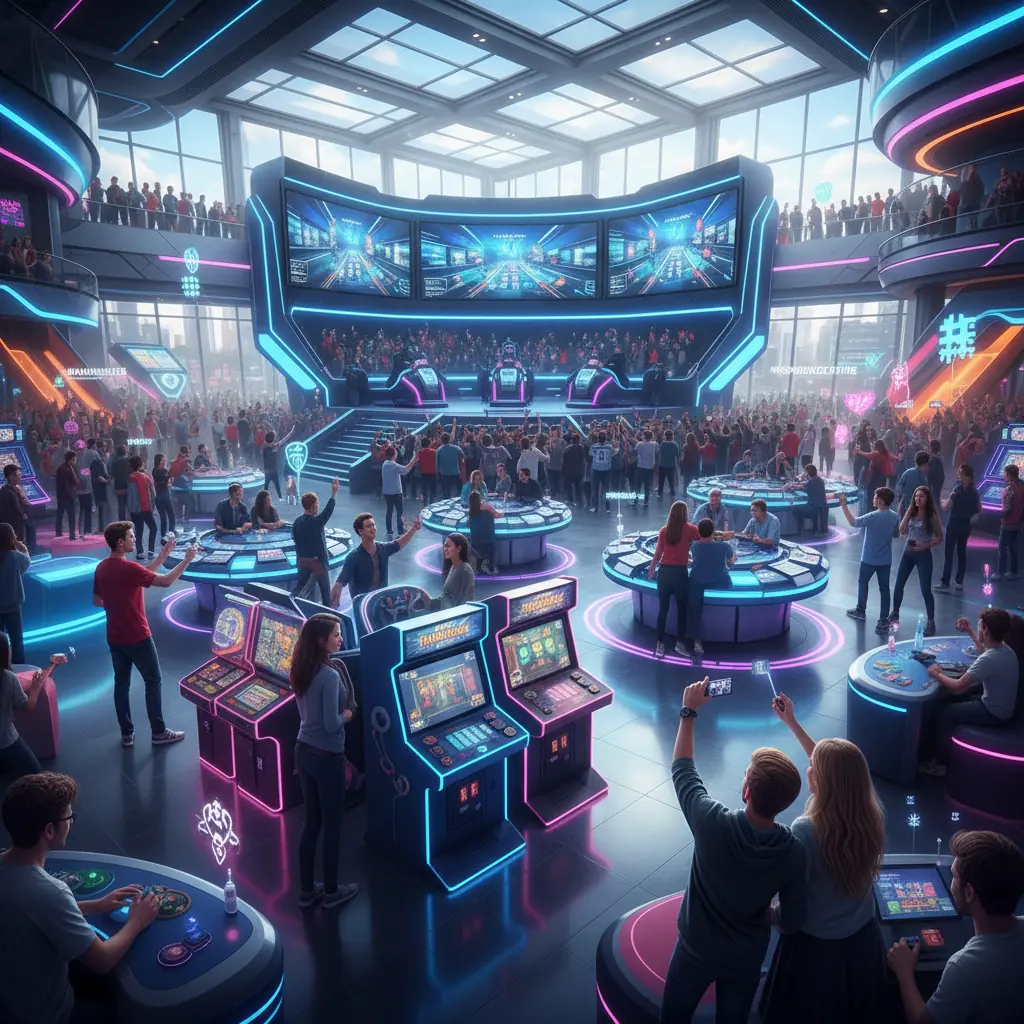
Esports, or competitive video gaming, has exploded in popularity, particularly among millennials. The thrill of watching elite gamers compete in tournaments, combined with the accessibility of online streaming platforms, has created a massive global audience. Casinos are recognizing the potential of tapping into this market by hosting esports tournaments within their venues and offering betting options on esports events. The integration of esports into the casino environment can create exciting atmosphere, by attracting a younger demographic, offering an experience that goes beyond traditional gambling.
Embracing Experiential Casino Design
The modern casino landscape is undergoing a significant transformation. To thrive, casinos must evolve past traditional gambling dens and become comprehensive entertainment hubs. This shift entails integrating diverse non-gaming attractions and constructing immersive environments that resonate particularly with millennials. The goal is to curate a holistic experience that extends far beyond the slot machines and card tables.
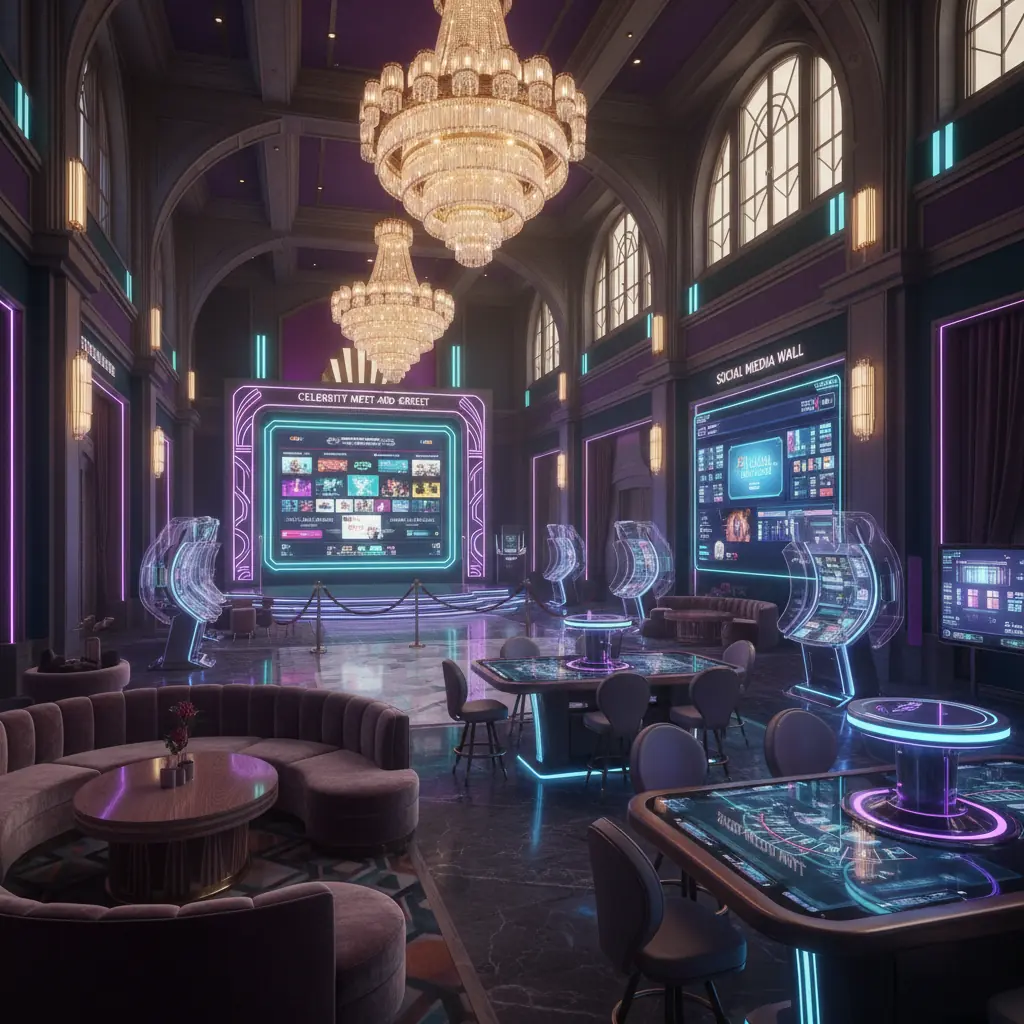
Experiential casino design strategically incorporates elements designed to captivate a broader audience. This commonly includes high-end nightclubs pulsating with energy, gourmet restaurants helmed by celebrity chefs, and live concert venues hosting world-renowned musicians. Art installations can also play a vital role, injecting visual interest and cultural relevance into the casino’s atmosphere. The integration of pool parties and celebrity meet-and-greets further elevates the experience, turning a simple casino visit into a star-studded affair.
Successful casinos are becoming masters of crafting visually stunning and highly shareable spaces. This leads to organic marketing and increased engagement, because it encourages visitors to become brand ambassadors. In short, casinos need to be ready to offer the best experience, and provide the right environment to their visitors.
Creating ‘Instagrammable’ Moments
In today’s social media-driven world, “Instagrammable” moments are invaluable marketing tools. Casinos are strategically designing spaces that encourage guests to snap photos and share their experiences online. Eye-catching art installations, uniquely themed bars, and stunning architectural features all contribute to creating shareable content. Encouraging guests to use branded hashtags helps further amplify the casino’s reach and attract a wider audience.
The Rise of Immersive Entertainment
Immersive entertainment is revolutionizing the casino experience. Virtual reality (VR) and augmented reality (AR) experiences offer thrilling alternatives to traditional gambling. Interactive exhibits and simulations transport guests to different worlds, creating unforgettable memories. By blending technology with entertainment, casinos can deliver highly engaging and personalized experiences that keep visitors coming back for more. This focus on creating a memorable visit is key to long-term success in the competitive casino industry.
Leveraging Technology for Millennial Engagement
To capture the attention of millennial gamblers, casinos must embrace a mobile-first strategy. This generation is glued to their smartphones, so seamless mobile gaming experiences are essential. Forget clunky desktop interfaces – think sleek, intuitive apps offering a wide variety of games, from classic slots to immersive, modern options. Data analytics provides the insights needed to personalize every aspect of the gambling experience. Casinos can track player preferences, betting patterns, and game choices to tailor offers, recommend specific games, and even adjust the difficulty levels. Imagine a system that recognizes a player’s fondness for high-volatility slots and then proactively offers them bonuses or free spins on similar games – that’s the power of data-driven personalization.
Social media is another vital tool for reaching and engaging millennials. Forget generic advertising; this generation craves authentic interactions and a sense of community. Casinos can leverage platforms like Instagram, TikTok, and YouTube to showcase behind-the-scenes glimpses of the casino floor, highlight winning moments, and even host interactive contests and giveaways. Personalized marketing on social media takes this a step further, delivering targeted ads and content based on individual interests and behaviors. For example, a millennial who frequently posts about sports could be targeted with ads promoting upcoming sports betting events or exclusive offers related to their favorite teams.
The Power of Loyalty Programs
Loyalty programs remain a cornerstone of casino marketing, but millennials demand more than just points and discounts. To truly resonate, these programs must be personalized. Instead of a one-size-fits-all approach, casinos should leverage data to tailor rewards and offers to individual preferences. Think personalized birthday bonuses, exclusive access to events, or even customized game recommendations based on past play. The opposite of personalization will steer customers away from loyalty programs, since they will lose interest in a goal that does not necessarily benefit them.
Data-Driven Personalization
Customization is the name of the game when it comes to attracting millennials, and technology is the key that unlocks it. Artificial intelligence (AI) and machine learning algorithms can analyze vast amounts of casino gaming data to identify patterns and predict player behavior. With these gambling analytics, casinos can deliver hyper-personalized experiences, tailoring everything from game recommendations and bonus offers to even the music and ambiance of the gaming floor. This technology also facilitates individual user experience customization and is useful for casinos today by refining marketing strategies.
The Future of the Millennial Casino
The casino landscape is in constant flux, and its future hinges on capturing the attention of the millennial generation. This demographic, known for its tech-savviness and preference for immersive experiences, demands a reimagining of traditional gambling. Staying ahead of the curve requires continuous innovation and adaptation. Casinos unwilling to evolve risk becoming relics of a bygone era.
One major shift on the horizon is the integration of emerging technologies. Blockchain technology, for instance, offers the potential for provably fair games and increased transparency, addressing a key concern for many millennials. Cryptocurrency could also streamline transactions, providing a faster and more convenient way to gamble. Imagine a casino where winnings are instantly transferred to your digital wallet!
Artificial intelligence (AI) is another game-changer. AI-powered systems can personalize the gaming experience, tailoring recommendations and rewards to individual preferences. Furthermore, AI can enhance security, detect fraudulent activities, and optimize casino operations. Think of AI as a personal concierge, curating a bespoke gambling experience just for you.
Beyond technology, the future of casinos will likely involve a greater emphasis on entertainment and social interaction. Skill-based games, esports lounges, and interactive experiences are all potential avenues for attracting millennials. The modern casino needs to be more than just a place to gamble; it needs to be a social hub, a destination for entertainment, and a platform for shared experiences.
Continuous innovation isn’t simply an option. It’s an imperative. The casinos that embrace these changes, experiment with new technologies, and prioritize the millennial experience will be the ones that thrive in the years to come. The future of the millennial casino is about creating an ecosystem where technology, entertainment, and social connection converge.
Conclusion
The casino industry stands at a pivotal juncture, with millennials poised to reshape its landscape. Their distinct preferences and values necessitate a fundamental shift in how casinos operate and attract customers. Embracing technology, offering diverse entertainment options, and prioritizing experiences over traditional gambling are paramount for engaging this demographic.
Casinos that proactively adapt will not only secure their relevance but also unlock new avenues for growth and innovation. Those that resist change risk being left behind in an increasingly competitive market. Understanding millennials’ unique desires is not merely an option; it’s the key to unlocking the future of the casino industry and ensuring its continued success for generations to come.